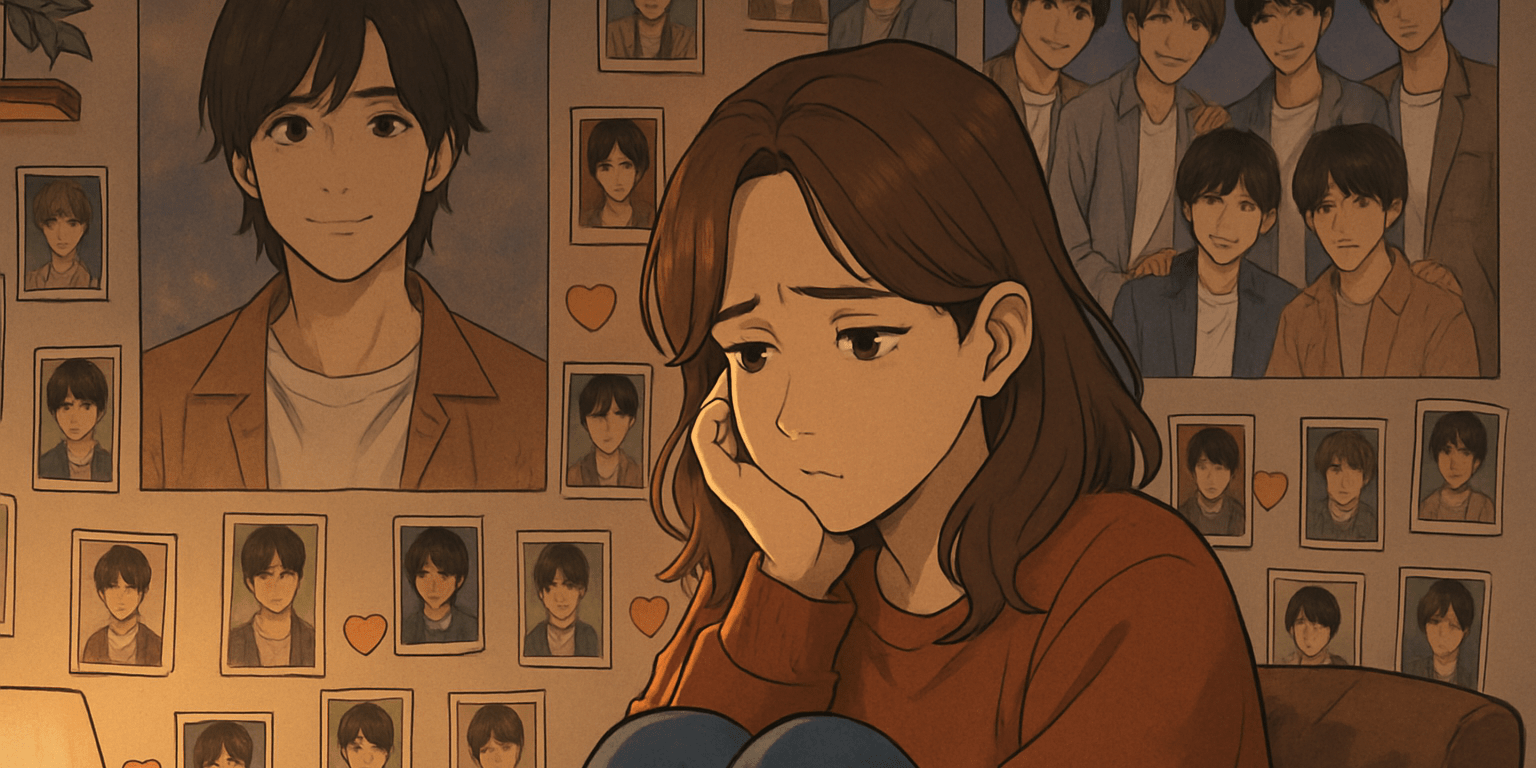
For years, I was deep in the Johnny’s fandom (now known as Starto). Like, watching every TV show, buying concert goods, memorizing choreography kind of deep. I even wrote my MBA thesis on it — I was so passionate and wanted to know everything there was to know, while putting my own ideas and research about it out into the world.
At one point, their music and personalities were such a big part of my daily life that I honestly felt like I “knew” them — even though, of course, I didn’t.
Around the time COVID happened, though, my view on it all started to change for a lot of reasons. The veil of “knowing them” slowly lifted over the years that followed. It’s not that I suddenly stopped liking the music or the talent. To this day, I still feel nostalgic for the songs… but I started seeing the emotional connection for what it really was: a parasocial relationship — a one-sided bond between a fan and a celebrity.
Once I understood that a few years ago, it was like a fog had lifted and something shifted inside of me — and I couldn’t go back.
What Even Is a Parasocial Relationship?
Basically, a parasocial relationship is when you feel emotionally connected to someone who doesn’t actually know you — like an idol, actor, or influencer. You cheer them on, feel proud when they succeed, and sometimes even feel hurt when they make decisions that don’t align with your image of them.
And honestly? It’s not a bad thing in itself. These connections can make life brighter. When you’re having a rough day, watching your favorite idol’s smile or listening to their new song can be really comforting. But at the same time, that comfort can slowly turn into emotional investment — the kind that starts to take up more space than you realize.
The Johnny’s Formula: Connection as a Brand
Johnny’s really perfected the parasocial relationship long before we even had a word for it. The whole system was designed to make fans feel close to the idols — they weren’t just performers; they were almost like friends or even boyfriends you could cheer for. They were the underdogs — you watched them grow from having few skills in the industry to becoming successful idols.
Through constant TV appearances, interviews, and fan events, they created the illusion of growing up with us. And as fans, we loved it. It felt like being part of their story — until you realize that the story was carefully crafted to make you feel that way.
Over time (especially after everything that came out about the agency since the BBC documentary), I started to see how much of that intimacy was an illusion built for loyalty — not real connection. I “knew” them, but they didn’t know me. I was just one in tens or even hundreds of thousands of fans to them in reality.
Drifting Away
During COVID, there weren’t any concerts, there weren’t many releases for over a year, and my favorite group lost a member suddenly. Looking back, I think the moment I started to realize that Johnny’s was taking up too much emotional space for me was when a member of NEWS left the group shortly after COVID hit.
NEWS had lost members before, but this time the situation was more public than back in 2011. And someone like me — almost 30 at the time — could see the darker side of the agency as it was happening. I was devastated when that member left, especially since it was during the home stretch of an almost four-year-long project the group had been working on. I remember feeling angry and disappointed — blaming both the agency and the member for not seeing it through with all four of them. It felt like they hadn’t thought about the fans at all.
Because they were real people, it hit differently than, say, a work of fiction ending unexpectedly. It was personal — and for the first time, I realized they were running a business, not trying to placate fans.
I grieved for years after that. I didn’t want to let go, but I slowly realized I couldn’t keep putting emotional energy into something that ultimately just wanted to make money. I processed that grief by still going to their concerts — right up until their 20th anniversary tour in 2023 — and after that, I decided it was time to let go.
I don’t think there was a single moment when I “quit” Johnny’s. It was more like slowly realizing that the excitement just wasn’t there anymore. When I heard their songs, I didn’t feel the same spark. Instead, I felt nostalgia — not for them, but for me, the version of myself (and my friends) who used to need that kind of connection.
I used to think pulling away meant I wasn’t a “real fan” anymore. But now I see it differently. It just means I’ve grown past needing that type of one-sided emotional tie.
In its place, I started going back to my pre-Japan hobbies — anime and manga (see my post about how I got back into them!) — and realized there was a whole other world of emotional connection that didn’t rely on real-life people. I also got back into reading earlier this year, especially fantasy and sci-fi, which opened up even more worlds to explore emotions and connections — ones that don’t require giving so much of myself.
What I’ve Learned
Moving on from Johnny’s made me realize how powerful these relationships can be — and how much they can reveal about what we’re craving in our own lives. For me, it was about comfort, community, and something consistent to look forward to.
When I first moved to Japan, I was kind of lonely and stressed, being in a completely new country. Johnny’s gave me comfort and connection when I needed it most.
But as I’ve gotten older and understood myself better, I’ve started finding that in real experiences and people around me — as well as in other forms of art that don’t require such deep emotional investment. I still love music, Japanese entertainment, and following artists, but now I appreciate them for their work, not for the illusion of knowing them.
Closing Thoughts
Parasocial relationships aren’t inherently bad — they can be meaningful, especially when you’re going through a hard time or need something uplifting in your daily life. But it’s also healthy to step back and see them for what they are.
For me, drifting away from Johnny’s wasn’t about “hating” the group or the fandom. It was about realizing that my emotional energy could go into things that exist with me, not just for me.
And honestly? That feels freeing.
 nihonchique
One thought on “When the Curtain Falls: Thoughts on Parasocial Relationships and Why I Drifted Away from Johnny’s”